SpaceX awarded three more NASA astronaut launch contracts
Three months after announcing its intention, NASA has launched three more Crew Dragon astronauts from SpaceX, bringing the company’s total number of operational missions from six to nine.
NASA announced its plans to award additional contracts in December 2021, after releasing a half-finished Request for Information (RFI) in October. That RFI, which seemingly lacked any real NASA support for the effort to develop one or more additional crew transport vehicles, surprisingly concluded that the space agency should purchase more flights from its existing providers. .
Short of the other Commercial Crew Program (CCP), Boeing and SpaceX were thus the only options. Boeing, whose Starliner spacecraft has not yet successfully completed no crew The test flight remains years behind schedule and apparently this contract was out of date with the add-on. SpaceX, on the other hand, conducted uncrewed and uncrewed Crew Dragon test flights in March 2019 and May 2020, and eventually began operating astronaut transport missions in November 2020, making it the only logical option.
As such, NASA announced that it would award three more transportation contracts to SpaceX, increasing the total value of its Commercial Crew Transportation Capability (CCTCap) contract from approximately $2.6 billion to $3.49B. As of August 2019, NASA’s Office of the Inspector General (OIG) reported that the original $2.6 billion had been awarded to SpaceX, with the company planning to spend $1.2 billion on development and test flights and $1.4 billion on six operational Crew Dragon missions.
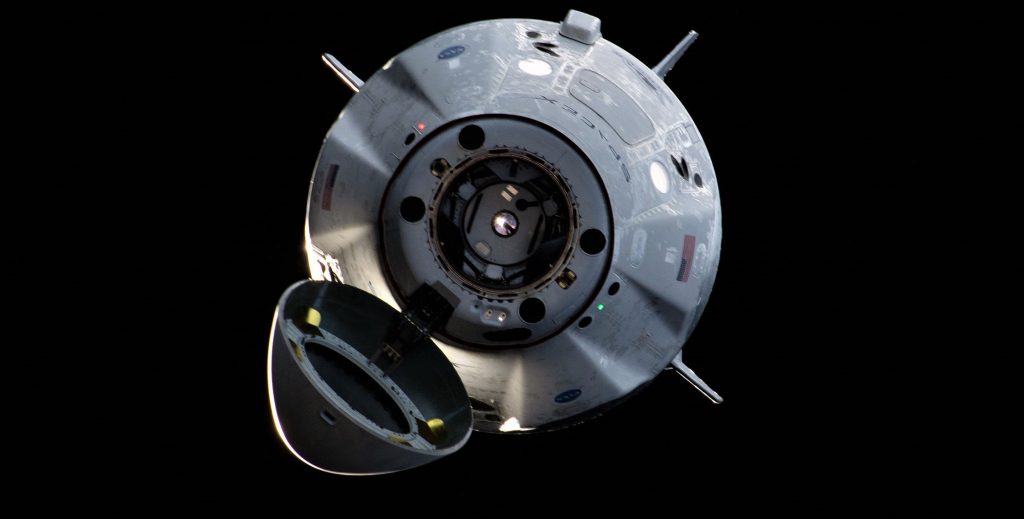
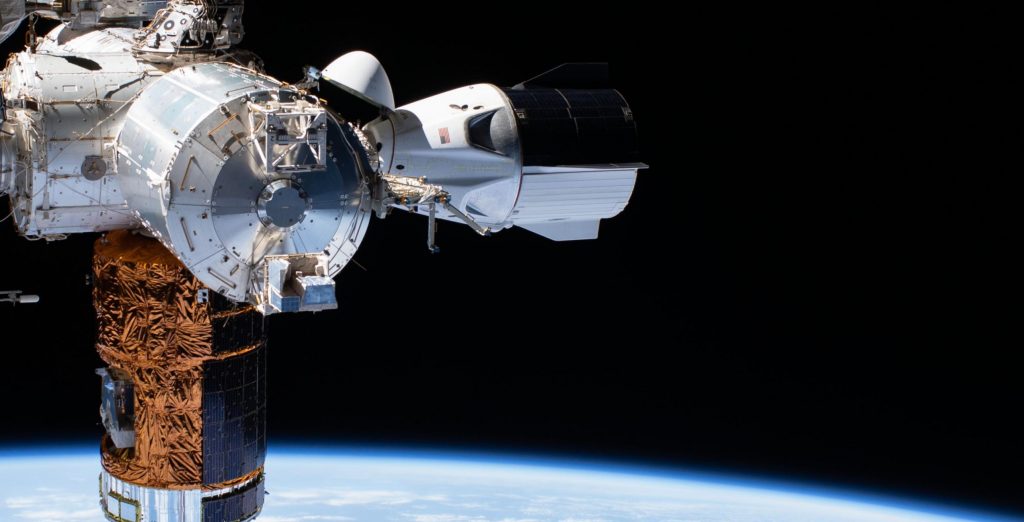
At the time, this meant that NASA intended to pay a total of ~$230 million for each of the first six Crew Dragon transport missions, each of which would carry four astronauts to and from the International Space Station and one in six. Will serve as a lifeboat. months between launch and landing. For NASA’s contract revision, the space agency will no longer pay the company more than $900 million — up to $300 million — for three more transportation missions, each likely to have four astronauts.
For missions seven to nine, NASA will thus pay an average of $75 million per seat – significantly more expensive than the ~$55 million per seat that SpaceX’s first six Crew Dragon missions would cost the space agency. To be clear, there is a chance that a significant fraction of the $890 million contract price increase actually came before three more missions were added, in this case about $700-800 million for NASA three, or about $60-70M Pay per seat. More dragon launches. Regardless, it’s cheaper than the ~$90 million per seat Boeing’s Starliner is expected to cost. At the end of NASA’s Soyuz ridesharing efforts, the agency was also being charged for approximately ~$90 million per seat to launch its astronauts on Russian Soyuz missions.
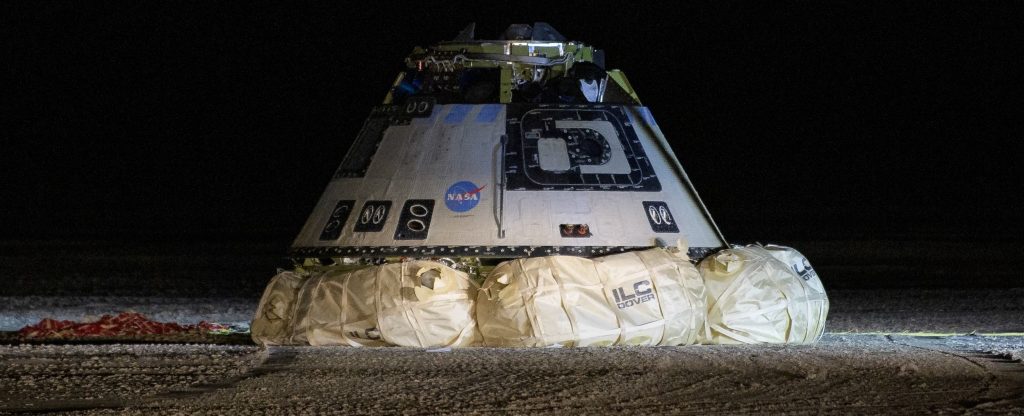
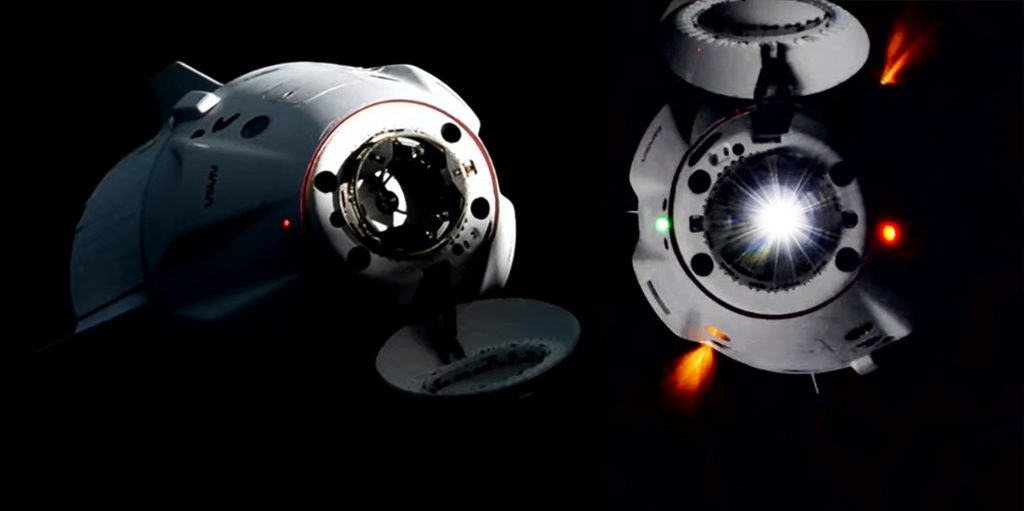
SpaceX is on track to launch Crew-4 before (net) 15 April 2022, Crew-5 net October 2022, and Crew-6 net before February 2023. The company is now expected to complete all six One of its first operational crew transport missions before Boeing’s Starliner spacecraft completed a solo mission. In fact, it’s increasingly plausible that SpaceX will launch all six of its original crewed missions before Starliner attempts its first crewed test flight — a milestone Crew Dragon passed in May 2020.
It remains to be seen when the Starliner will finally be operational. If Boeing manages to achieve that feat by mid-2023, there’s at least a chance that Starliner and Crew Dragon will eventually be able to launch alternate launches, in which case NASA’s three additional Dragon launches could last until 2027. Starliner will have three more missions remaining, allowing NASA to extend its 15 existing commercial crew transportation contracts to H2 by 2028.


Comments
Post a Comment